- Client-centered work
- EMDR and hypnosis
- DBT skills
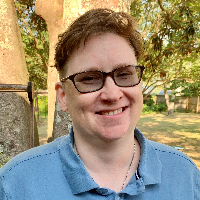
About Heather
Heather Scarboro is a Licensed Clinical Mental Health Counselor (LCMHC) practicing in North Carolina with 10 years of experience. She works with adults facing stress, anxiety, addictions, trauma and abuse, depression, relationship and intimacy concerns, grief, and ADHD among other issues. Heather uses a collaborative approach and mentions coaching and several therapy methods she applies in sessions.
Heather frames work around collaboration and practical strategies. She draws on client-centered work to focus on what matters to each person. She also uses elements from dialectical behavior therapy to teach coping tools for intense emotions. Sessions are conversational and goal-oriented, with time spent on skills practice and planning.
Her background includes supporting a range of communities such as older adults, university students, LGBTQIAP+ people, plural communities, and front-line workers. Heather has personal and professional experience with dissociative conditions and has advocated publicly to improve understanding of those experiences.
Therapeutic tools she lists include EMDR, clinical hypnosis, mindfulness-based cognitive behavioral techniques, and expressive arts approaches. Those methods are offered as options to address trauma, stress, and mood concerns, and are used alongside talk-based work and coaching when appropriate.
Outside of clinical work, Heather is involved in advocacy through blogs, interviews, podcasts, and presentations. She also spends time on creative pursuits like dance, music, and songwriting, which inform her expressive arts work in therapy.
Therapeutic approaches and how online sessions work
Heather often uses client-centered therapy, which focuses on listening and building a plan based on each person's goals. This approach helps clarify priorities and shapes the work around what the client finds most useful.She also uses Dialectical Behavior Therapy (DBT) skills to teach emotion regulation, distress tolerance, and interpersonal effectiveness. DBT-style tools are practical and can help with strong emotions, impulsivity, and improving follow-through on daily tasks.
EMDR is another approach she lists for processing trauma. It involves guided attention and structured phases aimed at reducing the hold of traumatic memories and their emotional impact.
Finding the right approach is part of the work together. Heather will collaborate with clients to decide which methods fit their goals, needs, and preferences. She mixes talk-based work, skills practice, and selected modalities so the plan can change as progress is made.
The biography does not specify exact online formats, so confirm current options before booking. Online sessions can make it easier to fit therapy into a busy week, allow shorter check-ins when needed, and reduce travel time. They also let people access a therapist in North Carolina from other locations, which can help maintain continuity of care while balancing work, family, and other responsibilities.
Areas of expertise
Also works with
Additional focus areas
Therapeutic approaches
Experience
10+ years
Credentials
North Carolina
Languages
English
Frequently asked questions
What kinds of concerns does Heather address?
She works with stress, anxiety, addictions, trauma and abuse, depression, relationship and intimacy issues, grief, ADHD, and related concerns listed in her specialties.
What is her general therapy style?
Her approach is collaborative and practical. She uses client-centered conversation, skills teaching, and coaching elements to address problems.
How much experience does she have?
Heather has about 10 years of clinical experience working with a variety of communities and presenting concerns.
What are her credentials and where is she located?
She is an LCMHC licensed in North Carolina and practices from that state.
Does she offer sessions in other languages or to international clients?
Sessions are offered in English and she accepts international clients.
What session formats are used?
The original biography does not specify session formats. Confirm current session options before booking.
How is cost handled?
Cost varies with location and sessions use a subscription that can be canceled at any time.
How do I get started with scheduling?
Select the See online therapy options button, complete the short matching questionnaire, and schedule a first session.
Before you reach out
A profile shows the concerns a counselor lists; it is not a diagnosis, an ADHD assessment or a promise of results. Questions about evaluation or medication belong with a doctor or other prescriber. If you feel unsafe right now, call or text 988, or call 911.
All counselors Surnames under S Counselors in North Carolina