- CBT strategies
- Attachment-based work
- Solution-focused goals
About Grace
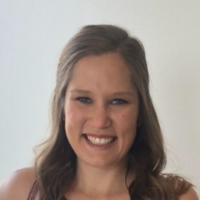
Grace Davis is a Licensed Clinical Social Worker (LCSW) with nine years of experience in Florida and North Carolina. She works with adults facing stress, anxiety, depression, relationship and family concerns, grief, trauma and ADHD. She also supports people coping with parenting strain, low self-esteem, anger, and career-related stress.
Grace uses practical, person-focused methods in sessions. She draws on cognitive behavioral approaches and attachment-based ideas to help clients identify patterns and try new behaviors. Sessions are conversational and goal oriented, with the therapist and client building a plan together.
Her background includes work with people who have experienced abuse, neglect, or other traumatic events. She applies trauma-focused techniques alongside solution-focused methods to help clients manage symptoms and make concrete changes. The emphasis is on small, manageable steps rather than complex theory.
Grace also pays attention to how relationships and attachment influence daily functioning. That perspective often comes into play for clients dealing with communication problems, control struggles, or isolation. She blends that with CBT strategies when clients want tools for organization, focus, or managing anxiety.
Sessions aim to address immediate concerns while building skills for longer term coping. Grace invites clients to set clear goals and tracks progress over time. Prospective clients are asked to confirm current session options and scheduling details before booking.
How her approaches translate to online sessions
Grace commonly uses cognitive behavioral therapy and attachment-based ideas. CBT focuses on identifying unhelpful thoughts and testing new behaviors, which can help with focus, time management, and anxiety. Attachment-based work looks at how early and current relationships shape behavior and communication, which can help with relationship struggles and patterns of avoidance.Finding the right approach is collaborative. She will discuss goals, try methods that fit the client's needs, and adjust plans based on what works. Clients and the therapist decide together which strategies to prioritize and how to sequence them.
Session formats are not detailed in the biography, so confirm current options before booking. Online sessions can make it easier to fit therapy into a busy schedule, allow shorter check-ins when needed, and reduce travel time. They also let people use different communication styles, such as speech-focused conversation or guided exercises, depending on what helps them follow through.
Areas of expertise
Primary focus
Also works with
Additional focus areas
Therapeutic approaches
Experience
9+ years
Credentials
Florida, North Carolina
Languages
English
Frequently asked questions
What kinds of concerns does she address?
She works with stress, anxiety, depression, trauma, parenting strain, relationship and family concerns, grief, anger, career stress, compassion fatigue, and ADHD.
What is her therapeutic style?
Her sessions are interactive and goal oriented. She combines client-centered conversation with practical techniques from CBT and solution-focused work.
How much clinical experience does she have?
She has nine years of clinical experience working with a range of concerns, including trauma and long-term mood issues.
What are her credentials and where is she based?
She is a Licensed Clinical Social Worker (LCSW) with credentials in North Carolina and Florida, and practices from Florida.
Which languages are sessions offered in?
Sessions are offered in English.
Can international clients work with her?
She does not accept international clients at this time.
How are session fees handled?
Cost varies with location and sessions use a subscription that can be canceled at any time.
How do I begin working with her?
Click the See online therapy options button, complete a short matching questionnaire, and schedule your first session.
Before you reach out
A profile shows the concerns a counselor lists; it is not a diagnosis, an ADHD assessment or a promise of results. Questions about evaluation or medication belong with a doctor or other prescriber. If you feel unsafe right now, call or text 988, or call 911.