- CBT strategies
- DBT skills
- Mindfulness practice
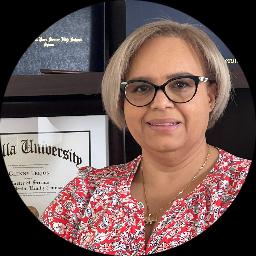
About Glenny
Glenny Trejos is a Florida LMHC with six years of experience. She focuses on stress, anxiety, relationship and family concerns, trauma and abuse, depression, addictions, grief, intimacy-related issues, parenting, anger, self-esteem, career questions, bipolar mood concerns, coping with life changes, coaching, compassion fatigue, and ADHD.
Glenny works in a straightforward, person-focused way. Sessions aim to identify current problems and small, manageable steps forward. She listens for what disrupts daily routines and helps people try different ways to plan, focus, and follow through.
Her background includes client-centered approaches and practical skills from cognitive behavioral therapy and dialectical behavior therapy. Those methods are used to teach coping strategies, emotional regulation skills, and concrete planning tools. Mindfulness techniques are offered to help with attention and stress regulation.
Glenny also draws on emotionally-focused and solution-focused ideas when relationship patterns are present. She pays attention to how people connect and to recurring communication problems. Work in sessions often mixes short-term practical goals with deeper attention to how feelings affect actions.
Sessions are conducted in English and Spanish. She practices in Florida and has experience helping people dealing with immigration-related evaluations and clinical supervision in other roles. To begin, people complete a short questionnaire and schedule a first session through the site's online options.
How her approaches translate to online sessions
Client-Centered Therapy focuses on listening and reflecting back what matters to the client. It helps people clarify priorities and feel heard while deciding on next steps.Cognitive Behavioral Therapy (CBT) looks at the link between thoughts, feelings, and actions. It uses exercises and short homework tasks to build planning, organizational skills, and follow-through, which can help with focus and daily routines.
Dialectical Behavior Therapy (DBT) provides concrete skills for emotional regulation and distress tolerance. It is useful when strong emotions disrupt attention, relationships, or decision making.
Finding the right approach is part of the work. The therapist will collaborate with the client to pick methods that match goals, preferences, and how a person manages attention and time. That decision is revisited as needed during treatment.
Session formats should be confirmed before booking since the biography does not list specific options. Online sessions can make it easier to fit appointments into a busy day, allow shorter check-ins when needed, and remove travel time. Ask about available formats when you complete the matching questionnaire so scheduling fits your routine.
Areas of expertise
Primary focus
Also works with
Additional focus areas
Therapeutic approaches
Experience
6+ years
Credentials
Florida
Languages
English, Spanish
Frequently asked questions
What concerns does she address?
She works with stress, anxiety, depression, trauma and many practical life concerns including ADHD, relationships, parenting, grief, addiction and career issues.
What is her therapy style?
She uses client-centered listening combined with practical techniques from CBT and DBT to build planning, focus, and emotional skills.
How much experience does she have?
She has six years of clinical experience as an LMHC working with the listed concerns and approaches.
Where is she licensed and based?
She holds a Florida LMHC credential and practices in Florida.
Which languages are supported?
Sessions are offered in English and Spanish.
Can international clients work with her?
She is not accepting international clients at this time.
How are sessions paid for?
Cost varies with location and sessions use a subscription that can be canceled at any time.
How do I start working with her?
Select the See online therapy options button, complete the short matching questionnaire, and schedule a first session.
Before you reach out
A profile shows the concerns a counselor lists; it is not a diagnosis, an ADHD assessment or a promise of results. Questions about evaluation or medication belong with a doctor or other prescriber. If you feel unsafe right now, call or text 988, or call 911.