- CBT techniques
- Mindfulness skills
- ACT strategies
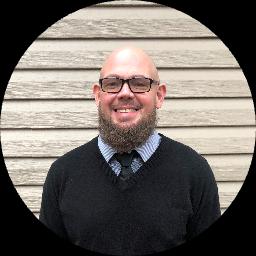
About Gary
Gary Ratliff is an Ohio-licensed independent social worker (LISW) with 10 years of clinical experience in mental health and addiction care. He works with adults on common concerns such as stress, anxiety, depression, anger, grief, and motivation. Gary also lists attention-related difficulties and ADHD among his focus areas and helps people dealing with substance use and relationship strain.
He uses practical talk and step-by-step strategies in sessions. Clients can expect direct conversation about current problems and clear options for coping. Gary draws on Cognitive Behavioral Therapy and Acceptance and Commitment Therapy to break problems into manageable steps and build consistent habits.
Mindfulness techniques and Dialectical Behavior Therapy skills are included when they fit the goals. These tools aim to reduce reactivity, improve emotional regulation, and support better daily routines. Client-Centered Therapy informs how he listens and adapts the pace of work.
Gary has experience in addiction treatment and trauma-informed care from his work over the past decade. That background shapes how he approaches relapse risk, anger, and grief. He pays attention to practical barriers that get in the way of follow-through, like sleep and time management.
Sessions focus on short-term skill building and realistic steps for change. The emphasis is on usable strategies people can try between appointments. Gary asks about goals and adjusts the plan as progress is made.
Therapeutic approaches and online sessions
Gary commonly uses Cognitive Behavioral Therapy and Acceptance and Commitment Therapy in his work. CBT focuses on changing unhelpful thinking and behavior patterns by using practical exercises and homework. It can help with procrastination, focus, sleep, anxiety, and mood. ACT emphasizes values-based action and learning to accept difficult thoughts while still moving toward goals; it can help with motivation, life transitions, and long-term follow-through.Finding the best approach is a collaborative process. He will talk with each person about their goals, try techniques that fit those goals, and adjust methods over time. The aim is to identify tools that a person is willing to use between sessions so progress is steady and realistic.
Session formats are not listed in his biography, so please confirm current online options before booking. Online work can make it easier to fit sessions into a busy week, allow shorter check-ins when needed, and avoid travel time. It also lets people practice new skills in their normal environment and bring real-life examples into the session for immediate feedback.
Areas of expertise
Primary focus
Also works with
Additional focus areas
Therapeutic approaches
Experience
10+ years
Credentials
Ohio
Languages
English
Frequently asked questions
What sorts of concerns does he address?
He works with stress, anxiety, depression, anger, addiction, grief, sleep problems, bipolar mood concerns, and ADHD among other issues.
What is his therapeutic style?
He uses practical talk, skills training, and structured approaches such as CBT, ACT, DBT, Mindfulness, and client-centered work to help people manage symptoms and routines.
How much experience does he have?
He has 10 years of professional experience in mental health and addiction services.
What are his credentials and location?
He is an Ohio LISW and practices in Ohio.
Which languages are sessions offered in?
Sessions are offered in English.
Can people outside the U.S. work with him?
International clients are not currently accepted.
How is cost handled?
Cost varies with location and sessions use a subscription that can be canceled at any time.
How do I begin working with him?
Select the See online therapy options button, complete a short matching questionnaire, and schedule a first session.
Before you reach out
A profile shows the concerns a counselor lists; it is not a diagnosis, an ADHD assessment or a promise of results. Questions about evaluation or medication belong with a doctor or other prescriber. If you feel unsafe right now, call or text 988, or call 911.