- Client-Centered Therapy
- Cognitive Behavioral Therapy
- Practical skills work
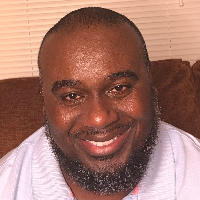
About Franklin
Franklin Moore is a Licensed Clinical Mental Health Counselor (LCMHC) in North Carolina with six years of counseling experience. He lists areas he supports including stress, anxiety, parenting, relationship problems, trauma and abuse, depression, and ADHD. He works with adults and adolescents in community health settings and speaks English.
His main approaches are Client-Centered Therapy and Cognitive Behavioral Therapy (CBT). In sessions he focuses on practical thinking and communication skills. CBT helps people spot unhelpful thoughts and test them, while Client-Centered Therapy emphasizes a respectful, nonjudgmental relationship to discuss concerns.
Franklin uses short exercises and take-home assignments when helpful. He may introduce skills for managing anger, coping with grief, or improving follow-through and organization. He also brings in techniques from Reality and Existential approaches when they fit a person’s goals.
Sessions typically include clear goal-setting and step-by-step strategies. Franklin pays attention to everyday problems like work stress, parenting strain, grief, and difficulties keeping routines. He aims to help people develop concrete tools for decision-making and emotional regulation.
He has a background as a Qualified Professional in community mental health across many years, and more recent clinical counseling experience in community settings. That mix informs a practical, skills-oriented style. To begin, prospective clients follow the site's process to view online therapy options and schedule a first session.
Approaches used online and how they help
Franklin draws on Client-Centered Therapy and Cognitive Behavioral Therapy in online work. Client-Centered Therapy centers on a respectful, nonjudgmental conversation where the person sets the pace and topics; it helps when someone needs a steady, listening presence to sort through feelings. Cognitive Behavioral Therapy focuses on identifying unhelpful thoughts and testing them with real-life experiments; it helps with problems like anxiety, depression, procrastination, and patterns that affect focus and follow-through.Choosing the right approach is part of the work together. He will discuss goals, listening preferences, and what feels practical. That collaborative decision guides whether sessions emphasize thinking skills, communication practice, or a mix of techniques.
Confirm current session formats before booking since the biography does not list specific options. Online sessions can make it easier to fit meetings into a busy week, reduce travel time, and allow shorter check-ins when needed. They also allow exercises and written assignments to be shared between meetings, which supports building daily routines and improving organization without promising a particular outcome.
Areas of expertise
Primary focus
Also works with
Additional focus areas
Therapeutic approaches
Experience
6+ years
Credentials
North Carolina
Languages
English
Frequently asked questions
What kinds of concerns does he address?
He lists stress, anxiety, parenting, relationship issues, trauma, depression, ADHD, and related concerns such as grief and anger.
What is his therapeutic style?
He uses a Client-Centered approach alongside Cognitive Behavioral Therapy to focus on thinking patterns and the therapeutic relationship.
How much clinical experience does he have?
He has six years of counseling experience and previous long-term work as a Qualified Professional in community mental health.
Where is he licensed and based?
He is an LCMHC licensed in North Carolina and practices from that state.
Which languages are supported?
Sessions are offered in English.
Does he work with clients outside the U.S.?
International clients are not accepted at this time.
How are sessions billed and what does cost look like?
Cost varies with location and sessions use a subscription that can be canceled at any time.
How do I begin working with him?
Select the See online therapy options button, complete the short matching questionnaire, and schedule a first session.
Before you reach out
A profile shows the concerns a counselor lists; it is not a diagnosis, an ADHD assessment or a promise of results. Questions about evaluation or medication belong with a doctor or other prescriber. If you feel unsafe right now, call or text 988, or call 911.
All counselors Surnames under M Counselors in North Carolina