- Client-Centered Therapy
- Cognitive Behavioral Therapy
- Mindfulness Therapy
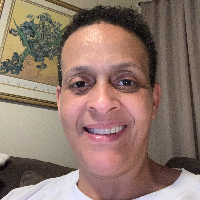
About Eugenia
Eugenia Davis is a Licensed Clinical Mental Health Counselor (LCMHC) in North Carolina with 22 years of experience. She lists stress, anxiety, addictions, relationship and family concerns, depression, trauma and grief among the issues she addresses, and ADHD appears among her focus areas.
She earned a Master of Science in Mental Health Counseling in 1999 and was inducted into Chi Sigma Iota in 1998. Over two decades she has worked in mental health and with substance use clients in a range of settings. Her background includes work with people affected by serious and chronic mental health conditions and mood disorders.
Eugenia describes therapy as a collaborative process where clients bring their concerns and she helps them look at problems from different angles. She aims to act as an objective voice so a person can consider new perspectives rather than being given direct answers. Sessions focus on practical discussion and perspective shifts to manage stressors and everyday problems.
Her clinical toolkit includes client-centered methods, cognitive behavioral ideas, emotion-focused techniques, mindfulness, and motivational interviewing. These tools are used to help people identify unhelpful patterns, set small goals, and practice new ways of responding to stress and relationship difficulties.
She has experience across many populations and settings, including work with foster care youth and correctional populations. Prospective clients should follow the site steps to see online therapy options, complete the short matching questionnaire, and schedule a first session.
How her therapeutic approaches work online
Client-centered therapy focuses on listening and reflecting. The therapist follows the client’s lead, helping clarify what matters and encouraging self-directed problem solving. This approach can help with motivation, relationship issues, and making small workable changes.Cognitive Behavioral Therapy (CBT) looks at thinking and behavior patterns that maintain upset. Sessions use simple exercises to test thoughts, break tasks into steps, and build routines. CBT is often useful for anxiety, mood concerns, and problems with follow-through and organization.
Emotionally-Focused Therapy (EFT) helps people notice and talk about feelings that affect relationships. It supports clearer communication and new ways of responding when emotions get intense.
Finding the right method is part of the work. The therapist will discuss what fits best based on the client’s needs, goals, and preferences and will adjust techniques as sessions progress. That collaborative decision helps shape practical steps and targets for change.
Session format details are not specified here, so confirm current online options before booking. Online sessions can make it easier to fit therapy into a busy week, allow shorter check-ins when needed, and avoid travel time. These practical benefits help people arrange regular meetings that match their routines.
Areas of expertise
Primary focus
Also works with
Additional focus areas
Therapeutic approaches
Experience
22+ years
Credentials
North Carolina
Languages
English
Frequently asked questions
What kinds of concerns does she address?
She works with stress, anxiety, addictions, depression, trauma, grief, relationship and parenting concerns, and lists ADHD among her focus areas.
What is her approach in sessions?
Her style emphasizes client-centered conversation with cognitive behavioral and emotionally-focused techniques to explore perspectives and practice different responses.
How much experience does she have?
She has 22 years of experience working in mental health and with substance use clients across a variety of settings.
What credentials and location are listed?
She is an LCMHC in North Carolina and has a Master of Science in Mental Health Counseling earned in 1999.
Are sessions offered in other languages or internationally?
Sessions are offered in English and she accepts international clients.
What session formats are available?
Current session formats are not specified here; please confirm available formats before booking.
How does pricing work?
Cost varies by location and sessions use a subscription that can be canceled at any time.
How do I begin working with her?
Select the See online therapy options button, complete the short matching questionnaire, and schedule a first session.
Before you reach out
A profile shows the concerns a counselor lists; it is not a diagnosis, an ADHD assessment or a promise of results. Questions about evaluation or medication belong with a doctor or other prescriber. If you feel unsafe right now, call or text 988, or call 911.
All counselors Surnames under D Counselors in North Carolina