- CBT techniques
- Mindfulness practice
- Emotion work
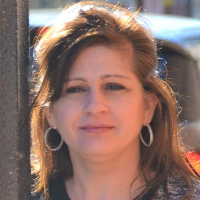
About Erin
Erin Sperico is a Licensed Clinical Mental Health Counselor (LCMHC) in North Carolina with 12 years of experience. She helps people who are coping with stress, anxiety, depression, trauma, relationship and parenting concerns, and ADHD. Her work often focuses on practical steps clients can use to manage emotions and get through difficult periods.
Erin uses straightforward talking and skills practice rather than clinical jargon. She blends client-centered listening with techniques from cognitive behavioral therapy and mindfulness to help people notice unhelpful thinking and try small changes. She also draws on emotionally-focused ideas to address closeness and communication problems in relationships.
Clients can expect sessions that look at current challenges and test small, manageable strategies between meetings. Erin uses motivational interviewing and solution-focused techniques to help clarify goals and identify next steps. This makes each session feel focused on what the client wants to change now.
She has experience working with people who struggle with anger, low self-esteem, grief, caregiver stress, and the effects of trauma. Erin also supports those dealing with issues like abandonment, guilt and shame, infidelity, isolation, and finding life purpose. Practical coping skills are emphasized alongside exploring emotions.
Erin trained at Liberty University for her master’s degree and holds the LCMHC credential. She conducts therapy in English and practices in North Carolina. People interested in beginning can follow the site process to complete a short questionnaire and schedule a first session.
Therapeutic approaches and how they work online
Erin commonly uses cognitive behavioral therapy and client-centered approaches. CBT helps people notice patterns of thinking and behavior that get in the way, and then test small changes to reduce stress or improve focus. Client-centered work focuses on listening and understanding the client’s perspective to guide what to try next.She also draws on emotionally-focused therapy to address connection and communication problems. EFT-style work helps name emotional responses and try different ways of relating, which can be useful for intimacy and relationship concerns.
Finding the right approach is part of the process. The therapist will work with each person to pick techniques that match their needs, goals, and preferences. That collaborative process may mean trying a few methods and adjusting as progress is tracked.
Session format options are not listed in the biography, so confirm current session formats before booking. Online sessions can make it easier to fit meetings into a busy week, allow shorter check-ins when needed, and reduce commute time. They can also let someone use audio-only or lower-bandwidth options if video is difficult, helping therapy fit into everyday life without changing the clinical work itself.
Areas of expertise
Primary focus
Also works with
Additional focus areas
Therapeutic approaches
Experience
12+ years
Credentials
North Carolina
Languages
English
Frequently asked questions
What concerns does she focus on?
She works with stress, anxiety, depression, trauma and related issues, including ADHD and relationship or parenting challenges.
What is her therapeutic style?
Her style combines client-centered listening with practical techniques from CBT, mindfulness, EFT, motivational interviewing, and solution-focused therapy.
How much experience does she have?
She has 12 years of experience in the mental health field and holds an LCMHC credential.
Where is she based and licensed?
She is based in North Carolina and holds the NC LCMHC credential.
Which languages are supported?
Sessions are offered in English.
Does she work with international clients?
International clients are not currently accepted.
How does pricing work?
Costs vary with location and sessions use a subscription model that can be canceled at any time.
How do I begin working with her?
Use the See online therapy options button, complete a short matching questionnaire, and schedule a first session.
Before you reach out
A profile shows the concerns a counselor lists; it is not a diagnosis, an ADHD assessment or a promise of results. Questions about evaluation or medication belong with a doctor or other prescriber. If you feel unsafe right now, call or text 988, or call 911.
All counselors Surnames under S Counselors in North Carolina