- Client-Centered Therapy
- Cognitive Behavioral Therapy
- Mindfulness techniques
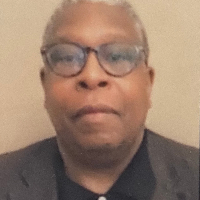
About Edwin
Edwin Wea is an LCPC and an LMHC with 20 years of clinical experience. He practices in Nevada and works with adults facing stress, anxiety, addictions, relationship strain, depression, grief, sleep problems, and ADHD among other concerns. He also addresses issues such as intimacy, parenting strain, anger, and career stress.
He uses straightforward, talk-based work that centers on the client’s goals and strengths. Conversations focus on practical steps and small behavior changes. He blends client-centered listening with cognitive behavioral tools to help people notice patterns and try new ways of responding.
Edwin often brings mindfulness techniques into sessions to manage strong feelings and improve focus. He also uses emotionally focused methods when relationship issues are a primary concern. Hypnotherapy and motivational interviewing are additional options he may draw on to support motivation and habit change.
He has experience with multicultural clients, first responder and military-related concerns, and non-monogamous relationship dynamics. That background informs how he talks about culture, loyalty, and role expectations during sessions. He aims to treat people with dignity and directness rather than jargon.
Sessions emphasize clear goals, regular check-ins, and concrete exercises to try between meetings. Edwin encourages clients to raise concerns about pace or focus so the work stays useful. To begin, he asks people to describe current struggles and what would feel different with better follow-through and organization.
Therapeutic approaches and working online
Edwin uses client-centered therapy to prioritize the client’s concerns and goals. That means sessions begin with open listening, and the direction of the work follows what the person says matters most. This approach helps when focus or motivation is low because it keeps the work practical and relevant.He also draws on cognitive behavioral therapy, which looks at thought and behavior patterns and teaches clear skills for organization, time management, and impulse control. CBT exercises can include breaking tasks into steps, setting short routines, and testing new habits between sessions. Emotionally-Focused Therapy is used when relationship patterns and attachment concerns come up; it helps people name feelings and change interaction cycles.
Finding the right mix of approaches is part of the process. The therapist will collaborate with each person to decide which methods to try based on goals, preferences, and how the work is progressing. Clients are encouraged to give feedback so sessions shift toward what helps most.
The biography does not list specific online session formats. Confirm current session options before booking so you know how sessions are delivered. Online work can make it easier to fit meetings into a busy schedule, reduce commuting time, allow shorter check-ins when needed, and support practicing skills in day-to-day settings.
Areas of expertise
Primary focus
Also works with
Additional focus areas
Therapeutic approaches
Experience
20+ years
Credentials
Nevada
Languages
English
Frequently asked questions
What kinds of concerns does he address?
He works with stress, anxiety, addictions, relationship and family issues, depression, grief, sleep problems, ADHD, anger, self-esteem, and career challenges.
What is his therapeutic style?
He practices client-centered therapy combined with practical CBT and mindfulness strategies focused on behavior change and clearer routines.
How much clinical experience does he have?
He has 20 years of experience working with a range of adult concerns including multicultural and military-related issues.
What credentials and region apply?
He holds LCPC and LMHC credentials and is based in Nevada with clinical experience spanning two decades.
Which languages are supported and can international clients work with him?
Sessions are offered in English. He is not accepting international clients at this time.
What session formats are offered?
The original biography does not specify session formats. Confirm current session options before booking to know whether phone, video, or in-person visits are available.
How does billing and cost work?
Cost varies with location. Sessions use a subscription model that can be canceled at any time.
How do I get started?
Select the See online therapy options button, complete the short matching questionnaire, and schedule a first session.
Before you reach out
A profile shows the concerns a counselor lists; it is not a diagnosis, an ADHD assessment or a promise of results. Questions about evaluation or medication belong with a doctor or other prescriber. If you feel unsafe right now, call or text 988, or call 911.