- CBT approaches
- DBT skills
- Mindfulness practice
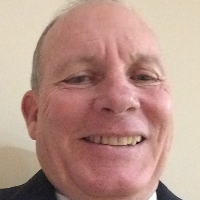
About Donald
Donald McRae is a Licensed Professional Counselor (LPC) and a Licensed Clinical Mental Health Counselor (LCMHC) in North Carolina with 25 years of experience. He lists stress, anxiety, addictions, relationship concerns, grief, depression, family issues, trauma and abuse, intimacy-related problems, sleep difficulties, parenting strain, anger, self-esteem, career worries, bipolar, coping with life changes, coaching, compassion fatigue and ADHD among his focus areas. He works in plain language and aims to help people get clearer about what they want to change and how to do it.
He has delivered care in a variety of settings including mental health clinics, military bases and non-profit agencies. That background shaped a practical approach to clinical work. He has provided both individual therapy and group psychotherapy across his career.
Donald draws on Cognitive Behavioral Therapy, Dialectical Behavior Therapy, Acceptance and Commitment Therapy, Mindfulness therapy, Motivational Interviewing and Brief Solution-Focused Therapy. In sessions he helps people spot patterns, test new behaviors and practice skills between meetings. He describes therapy as a partnership where effort and honesty matter.
Sessions focus on concrete goals such as better routines, improved communication, coping strategies for anxiety or managing addictive behaviors. He supports people working on relationship and intimacy concerns and on caregiving or workplace stress. For someone juggling daily responsibilities, he aims for realistic steps that fit ordinary life.
Donald emphasizes skill practice and short-term strategies alongside deeper work when it is needed. His experience includes working with veterans and in trauma-informed settings. He offers straightforward feedback and helps clients measure progress as they go.
How therapeutic approaches are used in online sessions
Donald commonly uses Cognitive Behavioral Therapy and Dialectical Behavior Therapy in his work. CBT helps people identify unhelpful thoughts and test small behavior changes to reduce worry, improve routines and manage mood. DBT emphasizes practical skills for emotion regulation, distress tolerance and interpersonal effectiveness, which can help with impulsivity, anger and relationship problems.He also draws on Acceptance and Commitment Therapy and mindfulness practices to help people notice their thoughts and commit to actions that reflect their values. Figuring out which approach to use is collaborative. The therapist and client review goals, try techniques and adjust the plan based on what helps most.
The biography does not list specific online session formats, so confirm the available options before booking. Online work can make it easier to schedule sessions around work, caregiving, or other obligations. It also lets people focus on short skills practice between meetings and reduces time spent traveling to appointments.
Areas of expertise
Primary focus
Also works with
Additional focus areas
Therapeutic approaches
Experience
25+ years
Credentials
South Carolina, North Carolina
Languages
English
Frequently asked questions
What problems does he focus on?
He lists stress, anxiety, addictions, relationship issues, grief, depression, trauma and ADHD among his core concerns.
What is his therapeutic style?
He uses practical, skills-based methods rooted in CBT, DBT, ACT and mindfulness with brief solution-focused techniques.
How much experience does he have?
He has 25 years of clinical experience working in clinics, military settings and non-profit agencies.
What are his credentials and where is he based?
He holds LPC and LCMHC credentials and practices in North Carolina.
Does he offer sessions in other languages or to international clients?
Sessions are offered in English and he is not currently accepting international clients.
What session formats are available?
The original biography does not specify session formats; please confirm current session options before booking.
How does payment work?
Cost varies with location and sessions use a subscription that can be canceled at any time.
How do I begin working together?
Select the See online therapy options button, complete a short matching questionnaire, and schedule a first session.
Before you reach out
A profile shows the concerns a counselor lists; it is not a diagnosis, an ADHD assessment or a promise of results. Questions about evaluation or medication belong with a doctor or other prescriber. If you feel unsafe right now, call or text 988, or call 911.
All counselors Surnames under M Counselors in North Carolina