- CBT methods
- ACT strategies
- EMDR when appropriate
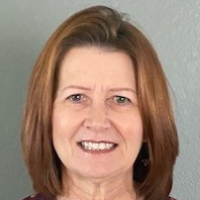
About Debbie
Debbie McCown-Perkins is a Licensed Clinical Social Worker (LCSW) in Colorado with 14 years of experience. She works with adults facing depression, anxiety, stress, relationship and family concerns, and attention-related struggles such as ADHD. She also helps people dealing with trauma, grief, and life transitions.
Her background includes a Bachelor of Science in Psychology and a Master of Social Work from Walla Walla University. She has long experience supporting people who have experienced physical trauma or emotional abuse. Her practice is solution-focused and practical, aimed at helping people take clearer steps forward.
In sessions she uses cognitive behavioral tools alongside client-centered and acceptance-based ideas. Sessions often include talking through patterns, trying small experiments, and practicing coping skills between meetings. She also incorporates techniques from dialectical behavior therapy and EMDR when they fit the concern.
Debbie describes a collaborative, interactive style that emphasizes respect and sensitivity. She adapts conversation and plans to fit what a person needs right now, focusing on concrete change rather than abstract theory. That approach can help with organization, follow-through, mood regulation, and relationship communication.
Working with her starts with a short matching questionnaire and scheduling a first session. Costs vary by location and use a subscription that can be canceled at any time. Sessions are offered in English and Debbie does not accept international clients at this time.
How her approaches translate to online work
Debbie uses Cognitive Behavioral Therapy (CBT) to help people notice unhelpful thinking and try different behaviors. CBT is practical and often focuses on short-term skill building for mood, anxiety, and attention-related challenges.She also uses Acceptance and Commitment Therapy (ACT) which emphasizes values-based action and noticing thoughts without getting stuck in them. ACT can help with motivation, follow-through, and managing distressing feelings. When trauma is central, she may incorporate Eye Movement Desensitization and Reprocessing (EMDR) techniques to process distressing memories and reduce their intensity.
Picking the right approach is part of the work. She will collaborate with each person to decide which methods fit their goals and daily life. That decision is based on needs, preferences, and how someone responds in the first sessions.
Confirm current session options before booking so you know what formats are offered. Online sessions can make it easier to fit appointments into busy days, allow shorter check-ins when time is limited, and reduce travel time. These practical benefits often help people keep consistent appointments and practice skills between meetings.
Areas of expertise
Primary focus
Also works with
Additional focus areas
Therapeutic approaches
Experience
14+ years
Credentials
Colorado
Languages
English
Frequently asked questions
What concerns does she address?
She works with depression, anxiety, stress, relationship and family issues, trauma, grief, ADHD, and related mood and behavioral problems.
What is her therapeutic style?
Her style is interactive and practical, combining client-centered conversation with cognitive behavioral and acceptance-based techniques.
How much experience does she have?
She has 14 years of clinical experience working with a broad range of concerns including trauma and attention difficulties.
What credentials and location are listed?
She is a Colorado Licensed Clinical Social Worker (LCSW) and also holds CSW credentials. Her practice is based in Colorado.
Which languages are supported?
Sessions are offered in English.
Does she work with international clients?
She does not accept international clients at this time.
How are sessions priced?
Costs vary with location and are billed through a subscription model that can be canceled at any time.
How do I begin working with her?
Start by selecting the See online therapy options button, completing a short matching questionnaire, and scheduling a first session.
Before you reach out
A profile shows the concerns a counselor lists; it is not a diagnosis, an ADHD assessment or a promise of results. Questions about evaluation or medication belong with a doctor or other prescriber. If you feel unsafe right now, call or text 988, or call 911.