- Client-Centered Therapy
- Cognitive Behavioral Therapy
- Trauma-Focused Therapy
About David
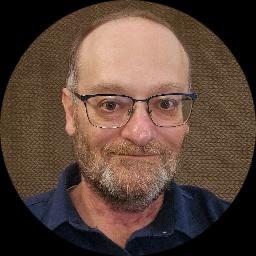
David Falck is a Licensed Clinical Mental Health Counselor (LCMHC) practicing in Utah with seven years of experience. He works with adults facing stress, anxiety, depression, relationship struggles, trauma and addiction, and also lists ADHD among his focus areas.
He draws on Client-Centered Therapy to build a working relationship that centers the client's perspective. He uses Cognitive Behavioral Therapy (CBT) to identify thoughts and routines that get in the way of daily functioning. Trauma-Focused Therapy and Internal Family Systems inform work where past events or internal parts feel stuck.
Sessions are practical and goal-oriented. He helps people sharpen communication skills, manage impulsivity, and build routines that support follow-through. He also supports those coping with life changes like separation, career shifts, or fatherhood challenges.
David names specific concerns such as sleep and eating problems, anger and self-esteem issues, attachment and abandonment worries, and intimacy-related difficulties. He also works with people dealing with addiction, bipolar mood concerns, and grief around family of origin problems.
He describes faith-sensitive counseling when relevant and attends to values that matter to each client. Prospective clients in Utah can expect clear, straightforward conversation about goals and the steps to get there. To begin, people follow the listed intake steps to match and schedule an initial session.
Approach and what online sessions involve
David uses Client-Centered Therapy to prioritize the client's perspective and values, helping people describe what matters and set straightforward goals. Cognitive Behavioral Therapy (CBT) is used to pinpoint patterns of thought and behavior that make focus, time management, and follow-through harder, and to practice new routines that improve daily functioning. Trauma-Focused Therapy is applied when past events continue to affect present behavior, offering ways to process those experiences safely.Choosing the right approach is collaborative. David will work with each person to identify which methods fit their needs and goals, and adjust the plan as progress is made. That means trying specific exercises, checking how they felt, and shifting tactics when something is not helpful.
Session formats are not specified in the biography, so confirm current options before booking. Online work can make it easier to fit sessions into busy days, shorten check-ins when needed, and reduce travel time. It can also allow people to use audio-only or video depending on what works best for focus and convenience. These practical choices are discussed during the intake and adjusted to match the client's routine.
Areas of expertise
Primary focus
Also works with
Additional focus areas
Therapeutic approaches
Experience
7+ years
Credentials
Utah
Languages
English
Frequently asked questions
What concerns does he address?
He works with stress, anxiety, depression, relationship and trauma-related issues, and also lists ADHD, addictions, sleep and eating concerns among his focus areas.
What therapeutic style does he use?
He uses Client-Centered Therapy to center the client's perspective and CBT to address unhelpful thoughts and habits.
How much experience does he have?
He has seven years of clinical experience practicing as an LCMHC in Utah.
What credential and location are listed?
He is an LCMHC licensed in Utah and provides services to clients in that state.
Which languages are supported?
Sessions are offered in English.
Can international clients work with him?
He does not accept international clients currently.
How are fees handled?
Cost varies with location and sessions use a subscription that can be canceled at any time.
What are the first steps to start?
Select the See online therapy options button, complete a short matching questionnaire, and schedule a first session.
Before you reach out
A profile shows the concerns a counselor lists; it is not a diagnosis, an ADHD assessment or a promise of results. Questions about evaluation or medication belong with a doctor or other prescriber. If you feel unsafe right now, call or text 988, or call 911.