- CBT techniques
- Mindfulness practice
- Relationship focus
About Darlene
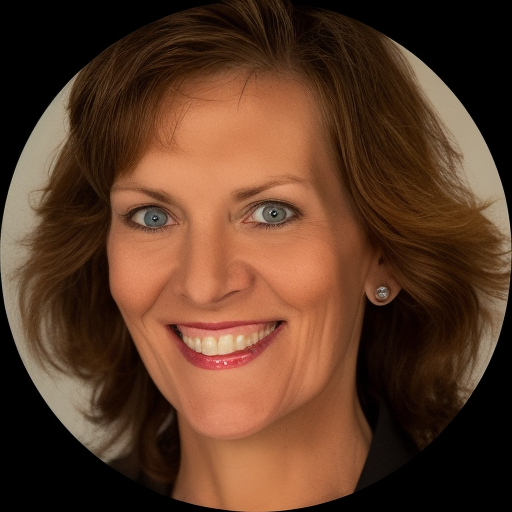
Dr. Darlene Groomes is a Michigan Licensed Professional Counselor (LPC) with four years of clinical experience. She works with adults around stress, anxiety, addiction, relationship strains, grief, self-esteem, parenting concerns, trauma and abuse, and ADHD. She also addresses career questions, anger, life changes, and compassion fatigue.
Her approach is client-centered and practical. She listens, reflects, and helps people identify manageable steps. Sessions often focus on immediate problems such as organizing routines, improving follow-through, coping with loss, or reducing day-to-day overwhelm.
Dr. Groomes integrates cognitive behavioral techniques and dialectical behavior ideas to help people notice unhelpful thoughts and try new behaviors. She also uses mindfulness practices and elements of emotionally-focused and narrative work when they fit a person’s goals. These methods get used in concrete ways, like creating small habit changes or communication skills to use at home or work.
Her background includes work with trauma, disability, body image, and family-origin issues. She brings experience with addiction, fertility and blended family stresses, first responder concerns, veterans, and prejudice-related strain. That breadth helps when problems involve several areas at once.
Dr. Groomes offers a straightforward, collaborative style. She will suggest options, check what helps, and refer to local resources when someone needs a different kind of support. Sessions are in English and based in Michigan.
How her approaches translate to online work
Dr. Groomes commonly uses client-centered therapy and cognitive behavioral therapy in her work. Client-centered therapy focuses on listening carefully and responding to what matters most to the person, which helps clarify goals and priorities. Cognitive behavioral therapy looks at thought patterns and practical behavior changes, useful for organizing routines and tackling follow-through challenges.She also uses elements of dialectical behavior therapy to teach skills for emotion regulation and interpersonal effectiveness. Those DBT-derived tools are often practical skills people can practice between sessions, such as short breathing exercises or step-by-step plans for difficult conversations.
Finding the right mix of approaches is part of the process. She collaborates with each person to test techniques, track what helps, and adjust the plan based on goals and preferences. That collaborative testing helps shape sessions to suit work, parenting, or daily schedules.
The therapist’s session formats are not specified in the biography, so confirm current session options before booking. Online work can make it easier to fit therapy into busy days, reduce commute time, and allow shorter check-ins when needed. Talk with her about practical needs and scheduling so sessions can fit day-to-day life.
Areas of expertise
Primary focus
Also works with
Additional focus areas
Therapeutic approaches
Experience
4+ years
Credentials
Michigan
Languages
English
Frequently asked questions
What concerns does she address?
She works with stress, anxiety, addiction, relationship issues, grief, self-esteem, trauma and related concerns including ADHD.
What therapeutic styles does she use?
Her work draws on client-centered therapy, cognitive behavioral therapy (CBT), dialectical behavior therapy (DBT), emotionally-focused therapy (EFT), and mindfulness techniques.
How much clinical experience does she have?
She has four years of clinical experience as a licensed professional counselor in Michigan.
What are her credentials and location?
She is an LPC licensed in Michigan and practices from that state.
Which languages are supported?
Sessions are offered in English.
Can international clients work with her?
She does not accept international clients at this time.
How are sessions billed?
Cost varies with location and sessions use a subscription that can be canceled at any time.
How do I begin working with her?
Select the See online therapy options button, complete a short matching questionnaire, and schedule a first session.
Before you reach out
A profile shows the concerns a counselor lists; it is not a diagnosis, an ADHD assessment or a promise of results. Questions about evaluation or medication belong with a doctor or other prescriber. If you feel unsafe right now, call or text 988, or call 911.