- CBT techniques
- Motivational interviewing
- Solution-focused work
About Crystal
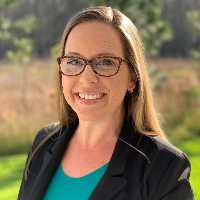
Crystal Willson is a Licensed Mental Health Counselor (LMHC) in Florida with 13 years of clinical experience. She lists stress, anxiety, addictions, self-esteem, depression, compassion fatigue, relationship and family concerns, trauma and abuse, grief, anger, career issues, bipolar disorder, coping with life changes, coaching, and ADHD among the areas she works with.
Willson uses clear, direct conversation to help people sort out what’s getting in the way. She combines client-centered work with cognitive-behavioral tools and motivational interviewing to help identify habits and try experiments that can shift day-to-day functioning.
Her background includes a Bachelor of Arts in Psychology from the University of South Florida and a Master of Science from Troy University. She earned certification in addiction work and later completed state licensure as an LMHC. Her practice draws on years of work in mental health and substance use settings since 2006.
Sessions focus on practical steps a person can take between meetings. That may include small behavior changes, skills practice, and short assignments aimed at improving routines, managing impulses, and reducing symptoms that interfere with work and family life.
People who contact her can expect straightforward talk about goals, options, and next steps. The emphasis is on collaboration, motivation, and measurable progress rather than labels or long academic explanations.
How her approaches translate to online work
Client-centered therapy focuses on listening and reflecting back what a person shares, helping them clarify goals and priorities. It supports people who need space to talk through problems and decide what feels most important to change.Cognitive Behavioral Therapy (CBT) breaks concerns into thoughts, feelings, and behaviors and uses simple experiments to test new ways of acting. CBT is often used for anxiety, mood issues, and for improving daily routines and follow-through.
Dialectical Behavior Therapy (DBT) teaches concrete skills for emotion regulation, distress tolerance, and more effective communication. Those skills can help reduce impulsivity and improve relationships and coping under stress.
Finding the right mix of approaches is a collaborative process. The therapist will work with each person to choose techniques that fit their goals and preferences, adjusting methods if something isn’t working. The plan is shaped by what the client wants to change and by practical steps that can be tried between sessions.
Confirm the available session formats before booking if you need a specific option. Online sessions can make it easier to fit meetings into busy schedules, reduce travel time, and allow for shorter check-ins when needed. Some formats require less bandwidth or do not need video, which can help when a brief conversation or a quieter setting is the priority.
Areas of expertise
Primary focus
Also works with
Additional focus areas
Therapeutic approaches
Experience
13+ years
Credentials
Florida
Languages
English
Frequently asked questions
What concerns does she address?
She lists stress, anxiety, addictions, self-esteem, depression, ADHD, trauma, grief, relationship and family issues, and several mood and impulse-related concerns.
What is her therapeutic style?
Her style is interactive and client-centered with practical, skills-based work drawn from cognitive behavioral and motivational approaches.
How long has she been practicing?
She has 13 years of experience and has worked in mental health and substance use settings since 2006.
What are her credentials and where is she based?
She is an LMHC licensed in Florida and practices from that state.
Does she offer sessions in other languages?
Sessions are offered in English.
Can international clients work with her?
International clients are not currently accepted.
How are sessions scheduled and paid for?
Cost varies with location and sessions use a subscription that can be canceled at any time.
How do I begin working with her?
Select the See online therapy options button, complete a short matching questionnaire, and schedule a first session.
Before you reach out
A profile shows the concerns a counselor lists; it is not a diagnosis, an ADHD assessment or a promise of results. Questions about evaluation or medication belong with a doctor or other prescriber. If you feel unsafe right now, call or text 988, or call 911.