- CBT strategies
- DBT skills
- Motivational interviewing
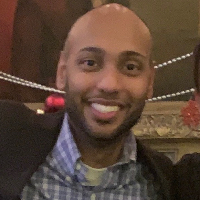
About Christopher
Christopher Jainandan is a Florida LMHC with 10 years of experience. He works with adults around stress, anxiety, addiction, mood concerns and ADHD. He also supports people dealing with relationship and family challenges and coping with life changes.
He uses straightforward conversation to identify what is getting in the way of daily functioning. Sessions focus on concrete steps clients can try between meetings. He draws on cognitive behavioral ideas to challenge unhelpful thinking and DBT skills to manage strong emotions.
Motivational interviewing techniques are part of his work when someone is trying to change a habit or address substance use. Mindfulness practices are offered in small, practical exercises meant to be used during a busy day. The emphasis is on things people can actually use, not long theoretical explanations.
Christopher trained in psychology and then completed a Master of Science in Clinical Mental Health Counseling. He became a Florida licensed mental health counselor and has worked across mental health and substance-abuse settings. He also has a national counselor certification through the National Board for Certified Counselors.
Sessions are conversational and goal-oriented. Clients who want help with focus, organization, follow-through and related stressors will find a practical approach that balances skills practice with thoughtful discussion. To begin, people complete a short matching questionnaire and schedule their first session.
How his approaches translate to online work
Client-Centered Therapy focuses on listening and collaboration to help people set goals and find solutions that feel doable. It helps when someone needs a supportive, nonjudgmental conversation to sort priorities. Cognitive Behavioral Therapy, or CBT, breaks problems into thoughts, feelings and actions and then tests small changes. It is useful for managing anxiety, low mood, and patterns that get in the way of daily routines.Finding the best approach usually takes a few conversations. Christopher will talk with each person about goals and preferences and then try methods that match those needs. He treats the process as collaborative and adjusts tools based on what works in practice.
Confirm the current session options before booking, since formats aren’t listed here. Online meetings can make it easier to fit therapy around work, family tasks, schooling or other commitments. Some formats allow shorter check-ins when time is limited, while others support a longer weekly session. Discussing scheduling and format choices at the start helps make sessions useful within a busy life.
Areas of expertise
Primary focus
Also works with
Additional focus areas
Therapeutic approaches
Experience
10+ years
Credentials
Florida
Languages
English
Frequently asked questions
What kinds of problems does he address?
He works with stress, anxiety, addictions, depression, relationship and family concerns, ADHD, trauma, grief and related issues.
What is his therapeutic style?
He favors practical, conversational work that mixes client-centered listening with skill-based methods like CBT and DBT.
How much experience does he have?
He has 10 years of experience in mental health and substance-abuse settings before and after licensure.
What are his credentials and where is he based?
He is a Florida LMHC and holds national certification through the National Board for Certified Counselors. He practices from Florida.
In which language are sessions offered?
Sessions are offered in English, and he accepts international clients.
What session formats are available?
Confirm current session options before booking by checking the online therapy options on the platform.
How are fees handled?
Cost varies with location and sessions use a subscription that can be canceled at any time.
How do I begin working with him?
Select the See online therapy options button, complete a short matching questionnaire, and schedule a first session.
Before you reach out
A profile shows the concerns a counselor lists; it is not a diagnosis, an ADHD assessment or a promise of results. Questions about evaluation or medication belong with a doctor or other prescriber. If you feel unsafe right now, call or text 988, or call 911.