- CBT methods
- Motivational interviewing
- Solution-focused work
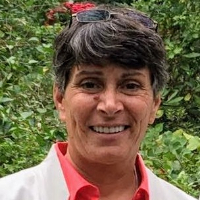
About Charlotte
Charlotte Ludwig is a Licensed Mental Health Counselor (LMHC) practicing in Florida with 15 years of experience. She works with concerns such as anxiety, depression, stress, addiction, trauma, grief, and ADHD. She helps people who struggle with impulsivity, substance use, low self-esteem, or trouble following through with daily tasks.
Her work emphasizes straightforward, practical conversations. Sessions focus on identifying problems, setting small goals, and trying concrete strategies. She uses approaches that help people change habits, stay motivated, and manage strong emotions without confrontation.
Clients can expect a calm, nonjudgmental professional relationship. Sessions often include looking at thoughts and behaviors together, weighing options, and building steps that fit everyday life. Motivation and brief solution-focused steps are used to keep progress moving.
She has experience supporting people with dual diagnoses and long-term substance use concerns, including opiate and alcohol dependency. That background informs her approach to relapse prevention, coping with cravings, and addressing life changes that affect recovery.
Charlotte also works with issues linked to trauma, interpersonal conflict, and compassion fatigue. Practical tools for anger management, managing impulsivity, and improving self-esteem are common parts of her work. She helps clients break problems into manageable pieces and track progress over time.
How her approaches translate to online sessions
Client-Centered Therapy focuses on listening and reflecting so people can identify what matters most to them. It helps when someone needs a steady, nonjudgmental clinician to sort through priorities and feelings.Cognitive Behavioral Therapy (CBT) looks at thoughts and behaviors together. It involves short exercises and practical homework to change patterns that get in the way of concentration, follow-through, or mood.
Motivational Interviewing is a style that helps people resolve mixed feelings about change. It is useful for addiction, impulsivity, or when someone is unsure about next steps.
Deciding which approach to use is a collaborative process. The therapist will discuss goals, try methods that fit the client's preferences, and adjust strategies as progress is tracked. Clients and the therapist choose steps together rather than relying on a single method.
Confirm the available session formats before booking, as specific online options are not listed here. Online sessions can make it easier to fit therapy into a busy day, allow shorter check-ins when needed, and remove travel time. They also let people try techniques and homework between meetings so change can be integrated into everyday routines.
Areas of expertise
Primary focus
Also works with
Additional focus areas
Therapeutic approaches
Experience
15+ years
Credentials
Massachusetts, Florida
Languages
English
Frequently asked questions
What concerns does she address?
She works with stress, anxiety, depression, addiction, trauma, grief, ADHD, impulsivity, self-esteem, anger, and related issues.
What therapeutic approaches are used?
Her work draws on Client-Centered Therapy, Cognitive Behavioral Therapy (CBT), Motivational Interviewing, and Solution-Focused Therapy to guide practical change.
How much experience does she have?
She has 15 years of experience in the counseling field and has worked in a variety of treatment settings.
What are her credentials and location?
She is an MA LMHC and practices in Florida as a Licensed Mental Health Counselor.
Which languages are sessions offered in?
Sessions are offered in English.
Does she work with international clients?
International clients are not currently accepted.
How are sessions priced?
Cost varies with location; sessions use a subscription model that can be canceled at any time.
How do I begin the process?
Click the See online therapy options button, complete a short matching questionnaire, and schedule your first session.
Before you reach out
A profile shows the concerns a counselor lists; it is not a diagnosis, an ADHD assessment or a promise of results. Questions about evaluation or medication belong with a doctor or other prescriber. If you feel unsafe right now, call or text 988, or call 911.