- CBT techniques
- Mindfulness practice
- ACT and DBT elements
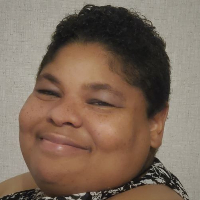
About Charity
Charity Sophus is a Licensed Clinical Social Worker (LCSW) practicing in Texas with three years of experience. She works with people who face stress, anxiety, depression, anger, grief, addictions, trauma, and ADHD. She also supports those coping with life changes, compassion fatigue, parenting strain, bipolar mood issues, and self-esteem concerns.
Her sessions focus on practical skills and straightforward conversation. She listens to what is happening now, then helps set small, achievable steps. Clients can expect tools for emotional regulation, managing overwhelm, and improving follow-through on daily tasks.
Charity uses a mix of cognitive and mindfulness-based methods. She draws on Cognitive Behavioral Therapy (CBT) to spot unhelpful thinking patterns. Mindfulness practices and Acceptance and Commitment Therapy (ACT) are used to build present-moment focus and values-based action.
Dialectical Behavior Therapy (DBT) skills appear when clients need safety, emotional control, and stronger distress tolerance. Client-Centered Therapy underpins her style, keeping conversation grounded around each person’s goals and preferences.
She has experience working with young adults, caregivers, people with chronic health issues, and those with neurodevelopmental differences. Charity aims to help people find routines and strategies that fit daily life, not long lists of steps that get forgotten. The emphasis is on small changes that add up to better concentration, organization, and coping.
To begin, visitors are encouraged to use the site’s matching tools and schedule an initial session. Charity practices in Texas and conducts sessions in English.
Therapeutic approaches and how online sessions work
Charity often uses Cognitive Behavioral Therapy (CBT) to help identify and change thinking patterns that make focus and follow-through harder. CBT offers concrete exercises and homework that can improve organization and task completion over time.She also draws on Acceptance and Commitment Therapy (ACT) and Mindfulness Therapy to help people notice thoughts and feelings without getting derailed by them. ACT supports choosing actions that align with personal values, while mindfulness teaches simple attention practices useful for distraction and overwhelm.
Choosing the right approach is part of the work. Charity will talk with each person about their goals, try methods that match those goals, and adjust over time. That collaborative process helps figure out what techniques actually fit daily routines.
Session formats are not specified in the biography, so confirm current options before booking. Online sessions can make it easier to fit therapy into work breaks or caregiving schedules, reduce travel time, and allow focused check-ins or practice between appointments. Ask about session length and format when scheduling so sessions match your practical needs.
Areas of expertise
Primary focus
Also works with
Additional focus areas
Therapeutic approaches
Experience
3+ years
Credentials
Texas
Languages
English
Frequently asked questions
What concerns does she help with?
She supports adults with stress, anxiety, depression, anger, grief, addictions, trauma, ADHD, and related issues such as caregiver strain and chronic illness.
What is her therapeutic style?
Her style is practical and client-centered, focusing on clear steps, skills training, and conversations that connect to daily life.
How much experience does she have?
Charity has three years of clinical experience working with adults in Texas and people managing chronic health or neurodevelopmental differences.
What are her credentials and location?
She is an LCSW licensed in Texas and provides services to people located in Texas.
Which languages are supported?
Sessions are offered in English.
Does she work with international clients?
International clients are not currently accepted; sessions are offered to people in Texas.
How are sessions priced?
Cost varies with location and sessions use a subscription model that can be canceled at any time.
How do I get started?
Select the See online therapy options button, complete the short matching questionnaire, and schedule a first session.
Before you reach out
A profile shows the concerns a counselor lists; it is not a diagnosis, an ADHD assessment or a promise of results. Questions about evaluation or medication belong with a doctor or other prescriber. If you feel unsafe right now, call or text 988, or call 911.