- CBT techniques
- Client-centered work
- Mindfulness skills
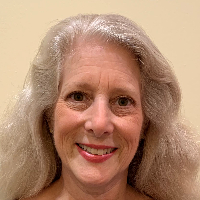
About Caryn
Caryn Kelley is an LCSW in Illinois with 10 years of clinical experience. She works with adults on issues such as stress, anxiety, depression, addiction, grief, relationship strain, and ADHD. Caryn describes practical concerns she addresses like sleep problems, parenting strain, self-esteem, and coping with life changes.
Her sessions begin with getting to know what is working and what is not. She listens to strengths, struggles, and everyday routines. Then she helps people notice patterns and decide on small, achievable steps to try between sessions.
Caryn uses Client-Centered Therapy to follow the person’s lead and build trust. She also draws on Cognitive Behavioral Therapy to identify thoughts and behaviors that get in the way of goals. Dialectical Behavior Therapy ideas and mindfulness practices appear when managing strong emotions and improving focus.
She brings motivational interviewing and supportive discussion to help people move from thinking about change to actually doing it. Conversations can include practical tools for organization, time management, and following through on plans.
The work is collaborative and straightforward. Caryn aims to help clients leave sessions with concrete steps, clearer thinking, and a plan for the next week. People who want direct, practical strategies for managing daily life tend to do well with this approach.
How Caryn’s approaches translate to online work
Cognitive Behavioral Therapy focuses on identifying unhelpful thoughts and changing small behaviors. Online sessions can include straightforward exercises to notice patterns, set goals, and practice new skills between meetings.Client-Centered Therapy centers on what the person brings to the session and follows their priorities. In remote sessions this means conversations that clarify strengths, concerns, and practical next steps rather than a fixed agenda.
Finding the right approach is part of the process. Caryn will work together with the client to decide which methods fit their needs, goals, and preferences. That collaborative decision can change as progress is made or new challenges come up.
Session logistics should be confirmed before booking because specific formats are not listed here. Ask which session types are offered and choose what fits your life. Remote work makes it easier to fit appointments into a weekday break, reduce travel time, or have shorter check-ins when a full session is not needed.
Areas of expertise
Primary focus
Also works with
Additional focus areas
Therapeutic approaches
Experience
10+ years
Credentials
Illinois
Languages
English
Frequently asked questions
What kinds of problems does she help with?
Caryn works with stress, anxiety, depression, grief, addictions, relationship and family concerns, sleep problems, self-esteem issues, career difficulties, bipolar disorder, compassion fatigue, and ADHD.
What is her therapeutic style?
Her style is direct and practical. She uses client-centered conversations, cognitive behavioral techniques, DBT ideas, EFT elements, mindfulness, and motivational interviewing as tools in sessions.
How much clinical experience does she have?
She has ten years of clinical experience working in a variety of settings with people facing emotional and medical challenges.
What credentials and where is she based?
She is an LCSW licensed in Illinois and practices from that state.
Does she work in other languages or with international clients?
Sessions are offered in English. She does not accept international clients at this time.
What session formats are offered?
Current session formats are not listed here. Please confirm available formats before booking so you know whether phone or video sessions are possible.
How does cost and billing work?
Cost varies with location and sessions are billed through a subscription that can be canceled at any time.
How do I begin working with her?
Start by selecting the See online therapy options button, complete the short matching questionnaire, and then schedule a first session.
Before you reach out
A profile shows the concerns a counselor lists; it is not a diagnosis, an ADHD assessment or a promise of results. Questions about evaluation or medication belong with a doctor or other prescriber. If you feel unsafe right now, call or text 988, or call 911.