- ACT
- CBT
- Mindfulness
About Carly
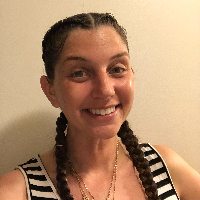
Carly Gelb is a Licensed Clinical Social Worker (LCSW) practicing in Illinois with eight years of experience. She works with adults facing stress, anxiety, depression, substance use and relationship issues, and lists ADHD among her areas of focus. Carly describes a client-centered approach where the person sets the pace and direction of sessions.
She emphasizes practical tools in sessions. That can include art, guided meditation, worksheets and journaling when a person is open to them. Sessions tend to be collaborative and focused on concrete changes rather than long lectures.
Carly draws on several evidence-based approaches to address everyday struggles. She uses Acceptance and Commitment Therapy to help people clarify values and act in line with them. Cognitive Behavioral Therapy is a tool she uses to spot patterns of thinking and test new behaviors.
Mindfulness and Dialectical Behavior Therapy techniques are part of her toolbox for managing emotion and stress. Client-Centered Therapy guides how she listens and responds, keeping the person in control of goals and session pace.
Her background includes working with mood disorders, trauma, grief, parenting concerns, eating and sleeping issues, and addiction-related problems. Carly aims to help people identify small, manageable steps they can take between sessions.
People who prefer tangible practices and straightforward discussion may find her style fits well. Those interested in using creative exercises alongside talk therapy will find that art and journaling are options in her work.
How therapy approaches translate to online sessions
Acceptance and Commitment Therapy (ACT) helps people clarify what matters to them and take action toward those values. Online ACT sessions often focus on brief exercises, values work, and small behavioral steps that can be practiced between meetings. Cognitive Behavioral Therapy (CBT) looks at unhelpful thinking and behavior patterns and replaces them with practical experiments and skills. In an online setting CBT uses worksheets, homework assignments, and live coaching through tasks people are ready to try.Finding the right approach is part of the work. Carly will collaborate with a client to choose which methods to try based on their goals, needs, and preferences. That means testing approaches and adjusting them if something feels off, rather than committing to a single method from the start.
Session formats are not specified in the biography, so confirm current options before booking. Online therapy can make it easier to fit sessions into a busy week, reduce travel time, and allow for flexible check-ins between in-person commitments. It also supports using digital worksheets, guided meditation audio, and journaling exercises during and between sessions to reinforce progress.
Areas of expertise
Primary focus
Also works with
Additional focus areas
Therapeutic approaches
Experience
8+ years
Credentials
Illinois
Languages
English
Frequently asked questions
What kinds of concerns does she work with?
Carly works with stress, anxiety, depression, addictions, relationship issues, grief, trauma, ADHD and related concerns listed in her profile.
What is her therapeutic style?
She uses a client-centered approach so the client guides session goals and pace, combined with practical tools like art, journaling, and worksheets.
How much experience does she have?
She has eight years of clinical experience working with mood disorders, addiction-related issues, trauma, and other concerns.
What are her credentials and where is she based?
She is an Illinois Licensed Clinical Social Worker (LCSW) based in Illinois.
What languages are supported in sessions?
Sessions are offered in English.
Can international clients work with her?
She is not accepting international clients at this time.
How are sessions paid for and what does it cost?
Cost varies with location and services. Sessions use a subscription that can be canceled at any time.
How do I begin working with her?
Click the See online therapy options button, complete the short matching questionnaire, and schedule a first session.
Before you reach out
A profile shows the concerns a counselor lists; it is not a diagnosis, an ADHD assessment or a promise of results. Questions about evaluation or medication belong with a doctor or other prescriber. If you feel unsafe right now, call or text 988, or call 911.