- CBT methods
- DBT skills
- Mindfulness tools
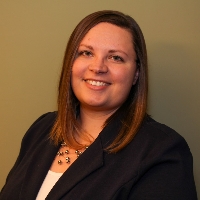
About Brittany
Brittany Vaughn is an Illinois licensed clinical social worker (LCSW) with 12 years of experience. She works with stress, anxiety, depression, trauma and abuse, parenting concerns, self-esteem, relationship issues, ADHD and related challenges. She helps people set practical goals and take small steps to reduce symptoms that get in the way of daily life.
She began with a Bachelor of Social Work from Southern Illinois University in 2012 and completed a Master of Social Work in 2014. Early work included supporting adolescents with severe trauma in a residential setting. She also provided counseling in Williamson County public schools to students with behavioral and emotional needs.
More recently she has spent several years in outpatient settings working with children, adolescents, and adults. In sessions she focuses on clear goals and actionable strategies. That may include skills for managing anxiety, ways to approach parenting stress, or plans to improve follow-through and organization.
Her approach draws on client-centered methods along with Cognitive Behavioral Therapy and Dialectical Behavior Therapy skills when useful. Mindfulness and Motivational Interviewing are tools she uses to help people build awareness and sustain changes. Sessions are practical, with step-by-step suggestions and check-ins on progress.
She is based in Illinois and works in English. People interested in beginning can follow the site process to complete a short questionnaire and schedule an initial meeting to discuss goals and next steps.
Approaches used in online sessions
Client-centered therapy focuses on the person’s goals and preferences. It emphasizes listening and working from what matters most to the client, which can help clarify priorities and next steps for daily challenges.Cognitive Behavioral Therapy (CBT) breaks problems into thoughts, feelings, and behaviors. It offers practical exercises and experiments to change unhelpful patterns and is often used for anxiety, low mood, and issues with follow-through.
Dialectical Behavior Therapy (DBT) teaches skills for managing intense emotions, improving distress tolerance, and handling interpersonal problems. These skills can be useful when stress, impulsivity, or relationship conflicts get in the way of daily functioning.
Choosing an approach is part of the work together. The therapist will discuss your goals, try methods that seem likely to help, and adjust based on what works for you. That collaborative process aims to match techniques to your needs and rhythm of life.
Session formats are not specified in the provided biography, so confirm current options before booking. Online sessions can make it easier to fit therapy into a busy schedule, require less travel time, and allow for shorter check-ins when needed. A brief questionnaire and an initial meeting are used to get started and plan the most useful format for ongoing work.
Areas of expertise
Primary focus
Also works with
Additional focus areas
Therapeutic approaches
Experience
12+ years
Credentials
Illinois
Languages
English
Frequently asked questions
What concerns does she address?
She works with stress, anxiety, depression, trauma, parenting strain, ADHD, relationship and self-esteem issues among other concerns.
What is her therapy style?
She uses a client-centered approach that focuses on your goals, plus practical techniques from CBT and DBT when helpful.
How long has she been practicing?
She has 12 years of experience working in residential, school, and outpatient settings with children, adolescents, and adults.
What are her credentials and where is she located?
She is an Illinois LCSW and practices from Illinois.
Does she work in other languages or with international clients?
Sessions are offered in English and she is not accepting international clients.
What session formats are offered?
The biography does not specify exact formats. Please confirm current session options before booking.
How does cost work?
Cost varies with location and sessions use a subscription model that can be canceled at any time.
How do I get started?
Select the See online therapy options button, complete a short matching questionnaire, and schedule a first session.
Before you reach out
A profile shows the concerns a counselor lists; it is not a diagnosis, an ADHD assessment or a promise of results. Questions about evaluation or medication belong with a doctor or other prescriber. If you feel unsafe right now, call or text 988, or call 911.