- CBT techniques
- Solution-focused work
- Rational-emotive methods
About Benita
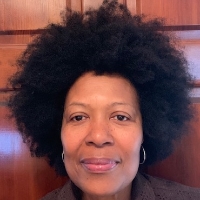
Benita Wilson is an LCMHC (Licensed Clinical Mental Health Counselor) and an LMHC (Licensed Mental Health Counselor) practicing in New York with 24 years of experience. She offers help for stress, anxiety, depression, trauma and abuse, relationship and intimacy-related issues, addictions, grief, parenting concerns, bipolar mood issues, compassion fatigue, ADHD, and other life transitions.
She uses straightforward, collaborative sessions focused on real problems. Benita listens to what is happening now, helps sort priorities, and works with each person to try practical steps that fit daily life. Sessions move at a steady, problem-solving pace rather than staying only on feelings.
Her approach includes cognitive behavioral ideas, rational-emotive methods, and solution-focused work. That means looking at unhelpful thoughts, testing assumptions, and building small, repeatable habits to improve focus, follow-through, sleep, mood, and relationships. Benita uses these tools to help people break big tasks into smaller pieces and try new coping strategies.
She aims to be clear about goals and progress. Typical sessions include setting short-term objectives, practicing new skills, and checking what did or did not work between meetings. Parents and adults who struggle with organization, motivation, or emotional overwhelm often find this concrete approach useful.
To begin, people complete an intake so sessions can focus on their top concerns. Scheduling is handled through the platform's matching and booking steps before the first meeting.
Practical approaches and online sessions
Benita uses cognitive behavioral ideas and rational-emotive methods to help people change unhelpful thinking and test different ways of responding. CBT-style work focuses on the link between thoughts, feelings, and behavior and is often used for anxiety, depression, and attention-related difficulties. Rational-emotive methods address rigid beliefs and help people try new, more flexible ways of thinking.She also draws on solution-focused techniques that emphasize small, concrete steps and measurable short-term goals. That approach can help with organization, follow-through, and breaking large tasks into doable pieces. Together, these methods are intended to sharpen problem solving and build habits that fit everyday life.
Finding the right mix of techniques is part of the process. The therapist will work collaboratively with the client to choose methods that match goals, needs, and personal preferences. Sessions typically involve setting clear objectives, practicing strategies during the week, and reviewing what worked.
The biography does not list specific session formats, so confirm current online options before booking. In general, online therapy can make it easier to fit appointments into a busy schedule, allow shorter check-ins, and reduce travel time. It can also permit using video or audio depending on what the person prefers and what works best for a given session.
Areas of expertise
Primary focus
Also works with
Experience
24+ years
Credentials
New York, North Carolina
Languages
English
Frequently asked questions
What concerns does she address?
She addresses stress, anxiety, depression, trauma and abuse, relationship and intimacy issues, addictions, grief, parenting concerns, bipolar mood issues, compassion fatigue, ADHD, and related life changes.
What is her therapeutic style like?
Her style is client-centered and practical, focusing on problem solving, clear goals, and skills people can use between sessions.
How much experience does she have?
She has 24 years of clinical experience working with adults on a broad range of concerns.
What are her credentials and location?
She holds NC LCMHC and NY LMHC credentials and practices in New York.
Does she work with people who live outside the US?
She accepts international clients; sessions are offered in English.
Which session formats does she offer?
The original biography does not list specific session formats; confirm current session options before booking.
How does pricing work?
Cost varies with location; sessions use a subscription that can be canceled at any time.
How do I start a first session?
Select the See online therapy options button, complete a short matching questionnaire, and schedule the first session.
Before you reach out
A profile shows the concerns a counselor lists; it is not a diagnosis, an ADHD assessment or a promise of results. Questions about evaluation or medication belong with a doctor or other prescriber. If you feel unsafe right now, call or text 988, or call 911.