- CBT techniques
- DBT skills
- Mindfulness practice
About Arlene
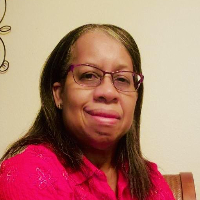
Arlene Bishop is a Licensed Clinical Social Worker (LCSW) practicing from Florida with 28 years of experience. She lists ADHD among the concerns she helps people with, alongside mood and anxiety difficulties, relationship strain, addiction, and stress. Arlene uses plain conversation and practical steps to help people sort through problems and make workable changes.
She favors an adaptable style rather than a single method. Sessions often focus on identifying strengths, setting short-term goals, and practicing new skills between meetings. Cognitive Behavioral Therapy (CBT) and Dialectical Behavior Therapy (DBT) techniques are part of her approach when they suit a client's needs.
Arlene also draws on Client-Centered and Mindfulness approaches. That looks like listening carefully, reflecting what’s been said, and using attention practices to reduce reactivity. She aims to help people notice patterns and try manageable alternatives in everyday life.
Her background is in social work with a long career supporting diverse clients. That experience informs how she works with issues like grief, parenting stress, career concerns, and trauma-related symptoms. The emphasis is on clear steps rather than abstract theory.
People who prefer straightforward, practice-focused therapy may find this approach useful. Sessions are aimed at practical problem solving, strengthening coping skills, and building small routines that support follow-through and focus. If you want to explore whether her style fits, follow the listed steps to match and book a first session.
Therapeutic approaches and how they translate to online work
Client-Centered Therapy focuses on listening and reflecting back what a person says to help them clarify choices and goals. It supports people who need a calm, nonjudgmental place to talk through decision making and relationship concerns.Cognitive Behavioral Therapy (CBT) looks at links between thoughts, feelings, and actions. It uses short experiments and homework to change unhelpful patterns, which can be useful for concentration, mood, and follow-through problems.
Dialectical Behavior Therapy (DBT) teaches concrete skills for emotion regulation, distress tolerance, and interpersonal effectiveness. Those skills are helpful when strong emotion or impulsivity disrupts daily routines.
Finding the right approach is part of the process. The therapist will work together with the client to identify which methods match the client's goals, needs, and preferences. That collaborative decision guides what is practiced and how sessions proceed.
The biography does not list specific online formats, so confirm available session options before booking. Online work can make it easier to fit therapy into a busy life - for example it can shorten travel time, allow sessions during a lunch break, or reduce the need to be on camera for every meeting. These practical benefits can help people try skills in real settings and keep momentum between sessions.
Areas of expertise
Primary focus
Also works with
Additional focus areas
Therapeutic approaches
Experience
28+ years
Credentials
Florida
Languages
English
Frequently asked questions
What types of problems does she help with?
She works with a wide range of concerns including ADHD, depression, anxiety, addiction, relationship and parenting stress, grief, and career challenges.
What is her therapy style like?
Her style is adaptable and practical, using listening, goal setting, and skills practice. Techniques from CBT and DBT are used when appropriate.
How many years has she worked in the field?
She has 28 years of experience as a social worker and clinician.
What credential does she hold and where is she based?
She is a Licensed Clinical Social Worker (LCSW) licensed in Florida and practices from that state.
Does she offer sessions in other languages or to international clients?
Sessions are offered in English and she is not accepting international clients.
What session formats are available?
The original biography does not specify session formats; confirm current session options before booking to know how meetings are held.
How much do sessions cost?
Cost varies with location and sessions use a subscription model that can be canceled at any time.
How do I begin working with her?
Select the See online therapy options button, complete the short matching questionnaire, and schedule a first session.
Before you reach out
A profile shows the concerns a counselor lists; it is not a diagnosis, an ADHD assessment or a promise of results. Questions about evaluation or medication belong with a doctor or other prescriber. If you feel unsafe right now, call or text 988, or call 911.